
 EN
 NL
 DE
Is your horse ready for fall? Here's how to help him get ready!
October 20, 2026
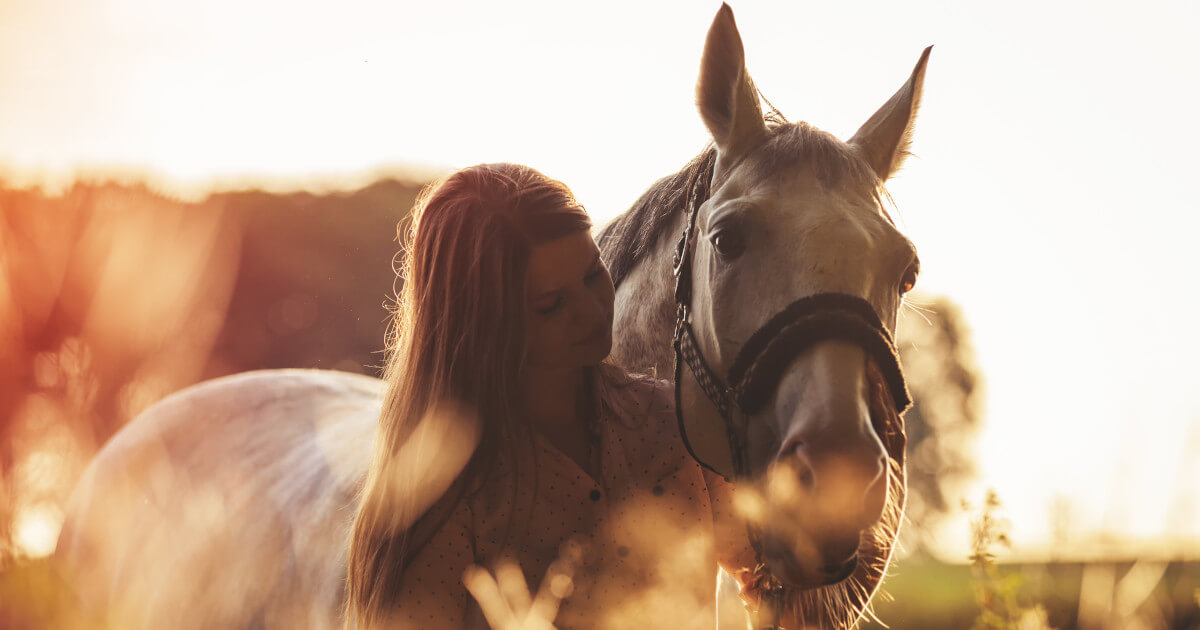
The days are getting shorter, temperatures are dropping, and the grass is growing more slowly. Fall has begun! For your horse, this often means a change in his daily routine. Perhaps it spends less time in the pasture, gets more forage, or spends more time in the stable. How can you ensure your horse stays healthy and fit throughout the fall? We’re happy to help with a few practical tips.
From pasture grass to forage
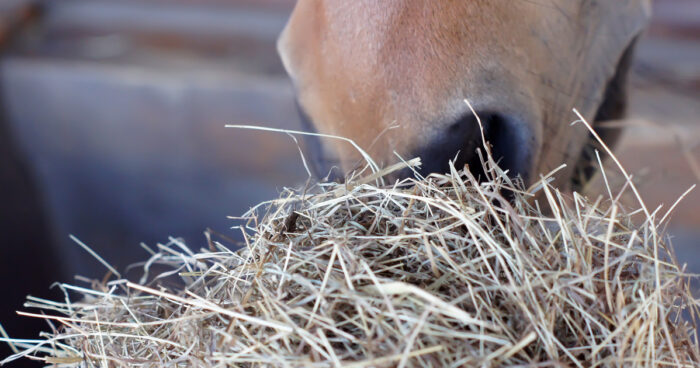
In the summer, your horse often gets a large portion of its nutrition from fresh grass. In the fall, that changes. The grass grows more slowly, and many horses are given more hay or pre-dried hay again. This transition requires attention. Your horse’s gut flora needs time to adjust to the changing composition of its diet. Therefore, gradually reduce pasture time and ensure an adequate supply of high-quality forage.
Our tip: Don't just look at how much forage your horse gets, but also at its quality. Are you unsure whether your horse is getting enough nutrients? We'd be happy to help you figure it out.
Be careful with fall grass
A pasture with little grass may seem harmless, but appearances can be deceiving. Especially after cold nights followed by sunny days, it can fruit content gaining weight rapidly while grazing. For horses prone to obesity, insulin resistance, PPID, or laminitis, this can pose additional risks. Therefore, keep a close eye on their grazing time and limit it if necessary. Eating sand is also a concern. On a bare pasture, horses are more likely to ingest sand while grazing. This can cause digestive problems. Therefore, ensure there is sufficient roughage available and, preferably, do not feed it directly from the ground.
How to Check on Your Own If Your Horse Has Sand in Its Intestines
Rinse some feces into a bucket and see if any sand remains. Repeat this for a few days, since the amount of sand in the feces isn't always the same. Subli Psyllium Paste helps flush sand out of the intestines.
Keep a close eye on your horse
Fall often brings changes. Your horse develops a winter coat, may be less active, and its energy needs may change. But does this mean you automatically need to feed more concentrated feed? Definitely not! That depends entirely on your horse. Its age, condition, health, housing, and the amount of work it does all play a role. So be sure to check your horse’s body condition regularly. Is your horse getting a bit rounder, or is he actually losing weight? If so, it’s a good idea to take a close look at his diet. Don’t forget about exercise, either. Is your horse spending more time in the stall? If so, make sure he gets plenty of free movement. That’s important for his well-being and healthy digestion.
Watch out for acorns and maple seeds
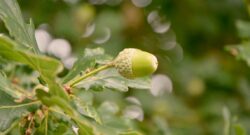
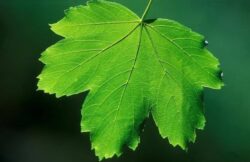
Fall brings beautiful colors, but it also poses risks. For example, acorns can be toxic to horses, especially when they are still green and unripe. The seeds, leaves, and seedlings of the common maple are also dangerous. They can cause atypical myopathy, a serious muscle disease. Therefore, check your pasture regularly, especially after strong winds or a storm. Remove acorns and maple seeds whenever possible, and prevent your horse from accessing areas where large amounts of these materials are present. If you notice that your horse suddenly becomes stiff, is trembling, is sweating excessively, or has dark urine, contact your veterinarian immediately.
5 Tips for a Healthy Fall
By keeping a few simple things in mind, you can help your horse get through the fall:
- Change the diet gradually. Give your digestive system time to adjust.
- Make sure there is enough good-quality roughage. This forms the basis of the diet.
- Check the animal's physical condition. This way, you can see in a timely manner whether the diet needs to be adjusted.
- Continue to provide plenty of exercise. Even if your horse spends fewer hours in the pasture.
- Check the pasture. Pay special attention to environments rich in fructans, acorns, and maple seeds.
Need help with your horse's diet?
No two horses are alike. What works well for one horse may not be the best choice for another. That’s why at Subli, we like to look beyond just the feed trough. We want to know how your horse lives, how much exercise it gets, and what it needs. Are you unsure whether your horse’s diet still meets its needs? Then ask for a personal feeding advice We'd be happy to help you figure it out!
TERUG NAAR HET OVERZICHT